You were diagnosed with sleep apnea, handed a CPAP machine, and told this was the solution. Maybe you tried it. Maybe you tried it for months. The mask felt claustrophobic, the noise kept your partner awake, and every morning you woke up just as exhausted as before, with the added frustration of a machine you couldn’t tolerate. If that sounds familiar, you’re not alone, and you’re not out of options. A sleep apnea oral appliance is a dentist-fitted alternative that works for many patients who can’t or won’t use a CPAP, and it may be the answer you’ve been looking for. Oso Marguerite Dental in Mission Viejo, CA works with patients exactly like you.
Key Takeaways
- A sleep apnea oral appliance is a custom-fitted device worn in the mouth during sleep to keep the airway open.
- Oral appliances are one of the most widely recommended alternatives to CPAP for patients with mild to moderate obstructive sleep apnea.
- Many patients find oral appliances far easier to tolerate, travel with, and consistently use than CPAP therapy.
- Untreated sleep apnea carries serious long-term health risks, including cardiovascular disease, high blood pressure, and cognitive decline.
- Oso Marguerite Dental in Mission Viejo, CA can evaluate whether an oral appliance is appropriate for your situation.
What Is a Sleep Apnea Oral Appliance?
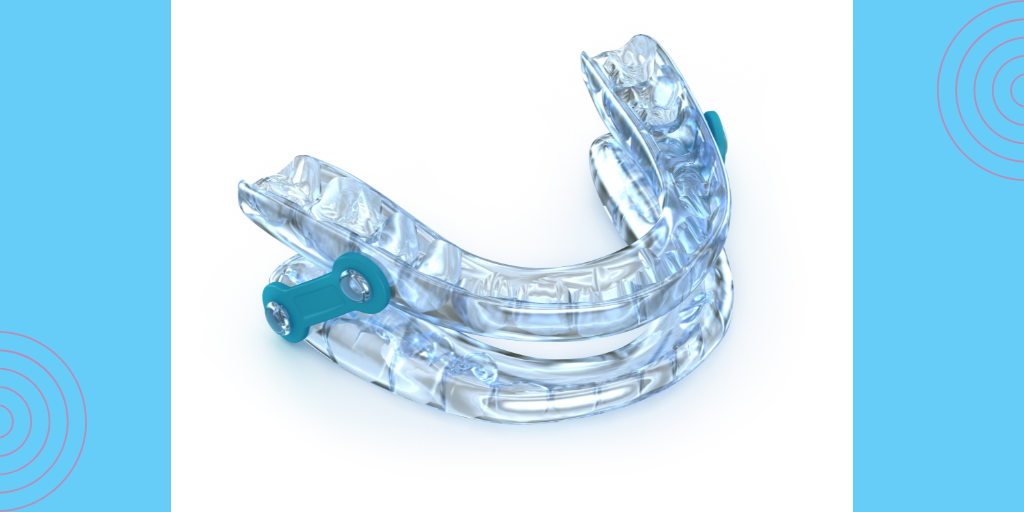
A sleep apnea oral appliance is a custom-made device that fits over the upper and lower teeth, similar in appearance to a mouthguard or retainer. It works by repositioning the lower jaw slightly forward during sleep, which prevents the soft tissues at the back of the throat from collapsing and blocking the airway.
That airway collapse is what causes obstructive sleep apnea. When the muscles in the throat relax during sleep, the tongue and soft palate can fall backward and partially or fully obstruct breathing. The result is repeated pauses in breathing throughout the night, brief arousals from sleep, and a cascade of health consequences that compound over time.
The oral appliance keeps the jaw in a position that holds the airway open without forced air pressure, without a mask, and without noise. It fits in a small travel case and requires no electricity.
Why So Many Patients Struggle With CPAP
CPAP therapy is effective when it’s used correctly and consistently. The challenge is that consistent use is harder than it sounds. Studies suggest that a significant percentage of patients prescribed CPAP either stop using it within the first year or use it far fewer hours per night than recommended.
Common reasons patients seek alternatives to CPAP include:
- Claustrophobia or discomfort from wearing a full face or nasal mask
- Difficulty tolerating the continuous air pressure, especially when exhaling
- Skin irritation or pressure sores from the mask seal
- Noise from the machine disturbing a partner’s sleep
- Inconvenience during travel, particularly air travel or camping
- Dry mouth, nasal congestion, or bloating caused by the pressurized air
Here’s the thing: CPAP that sits on the nightstand unused provides zero benefit. An oral appliance that a patient actually wears every night, even if it’s slightly less efficient in pure mechanical terms, delivers real results because it gets used. That’s why both the American Academy of Sleep Medicine and the American Academy of Dental Sleep Medicine recognize oral appliances as a front-line treatment option for appropriate candidates.
Who Is a Good Candidate for an Oral Appliance?
Oral appliances work best for patients with mild to moderate obstructive sleep apnea. They are also a recognized option for patients with severe sleep apnea who cannot tolerate CPAP and have no other practical alternative.
Strong candidates typically include patients who:
- Have been diagnosed with mild to moderate obstructive sleep apnea through a sleep study
- Have tried CPAP and found it intolerable despite multiple mask fittings and adjustments
- Travel frequently and need a portable, low-maintenance solution
- Prefer a less intrusive treatment that doesn’t require a power source
- Snore significantly, even without a formal sleep apnea diagnosis
Patients with central sleep apnea, which originates in the brain rather than the airway, are generally not candidates for oral appliance therapy. A sleep study is the necessary starting point for any treatment decision, and your provider at Oso Marguerite Dental in Mission Viejo, CA will work in coordination with your physician or sleep specialist to confirm that an appliance is appropriate for your case.
What the Process Looks Like at Oso Marguerite Dental
Getting fitted for a sleep apnea oral appliance is more straightforward than most patients expect. Here’s how it typically unfolds:
1. Review of your sleep study results Your dentist will review your existing diagnosis or refer you for a sleep study if you haven’t had one. An official diagnosis is required before an appliance can be prescribed.
2. Oral health evaluation Your teeth, gums, and jaw joints need to be in good health before an appliance is fitted. Any outstanding dental issues are addressed first.
3. Impressions or digital scans Precise impressions or 3D scans of your teeth are taken to create a device that fits your mouth exactly. A poorly fitting appliance won’t work and can cause jaw discomfort.
4. Fitting and adjustment Once the appliance is fabricated, you’ll come in for a fitting appointment. Minor adjustments are made to ensure comfort and correct jaw positioning.
5. Follow-up care Your provider at Oso Marguerite Dental in Mission Viejo, CA will schedule follow-up visits to monitor how the appliance is working and make any necessary modifications. In some cases, a follow-up sleep study is recommended to confirm effectiveness.
Prevention Tips: Protecting Your Sleep and Your Health
An oral appliance addresses the mechanical cause of obstructive sleep apnea, but a few lifestyle habits work alongside treatment to improve outcomes:
- Maintain a healthy weight, as excess tissue around the throat can narrow the airway
- Avoid alcohol and sedatives in the hours before sleep, both relax throat muscles and worsen airway collapse
- Sleep on your side rather than your back when possible, which reduces gravitational pressure on the airway
- Keep your appliance clean by rinsing it each morning and brushing it gently with a soft toothbrush
- Store the appliance in its case when not in use to protect it from warping or damage
- Keep every follow-up appointment at Oso Marguerite Dental in Mission Viejo, CA so your provider can confirm the appliance continues to fit and function correctly
Untreated sleep apnea is not a minor inconvenience. It’s a condition linked to high blood pressure, heart disease, stroke, type 2 diabetes, and significantly impaired cognitive function. Getting consistent treatment, in whatever form you can actually sustain, is genuinely important for your long-term health.
When to Talk to a Dentist About Sleep Apnea
Many patients don’t realize that a dentist is often the right first call for sleep apnea treatment, particularly if CPAP has already failed. You don’t need to start over from scratch.
Reach out to Oso Marguerite Dental in Mission Viejo, CA if:
- You’ve been diagnosed with sleep apnea but stopped using your CPAP
- You snore heavily and suspect you may have undiagnosed sleep apnea
- Your partner has noticed you stop breathing during sleep
- You wake frequently, feel unrefreshed in the morning, or struggle with daytime fatigue
- You want to understand all available alternatives to CPAP before committing to any one path
You deserve to actually sleep. That’s not an overstatement. Chronic sleep deprivation from untreated apnea affects every part of daily life, and there are real, manageable solutions available.
Better Sleep Is Possible. We Can Help.
A CPAP machine is not the only path to treating sleep apnea, and if it hasn’t worked for you, that’s not a personal failure. It’s a signal to look at what else is available. A sleep apnea oral appliance may be exactly what makes consistent treatment possible for the first time.
Oso Marguerite Dental is located at 26932 Oso Pkwy, Suite 280, in Mission Viejo, CA, near the intersection of Oso Parkway and Marguerite Parkway, just minutes from the Shops at Mission Viejo and Mission Viejo High School. The team understands how exhausting it is to search for answers after CPAP hasn’t worked out, and they’re ready to help you find a solution that fits your life.
Call now at (949) 682-3535 or contact us online to schedule your consultation. Learn more about sleep apnea treatment at Oso Marguerite Dental in Mission Viejo, CA and find out whether an oral appliance is right for you.
References
- American Academy of Sleep Medicine: Oral Appliance Therapy
- American Academy of Dental Sleep Medicine: Oral Appliances
- Mayo Clinic: Sleep Apnea
- PubMed: Oral Appliance Therapy vs CPAP for Obstructive Sleep Apnea


